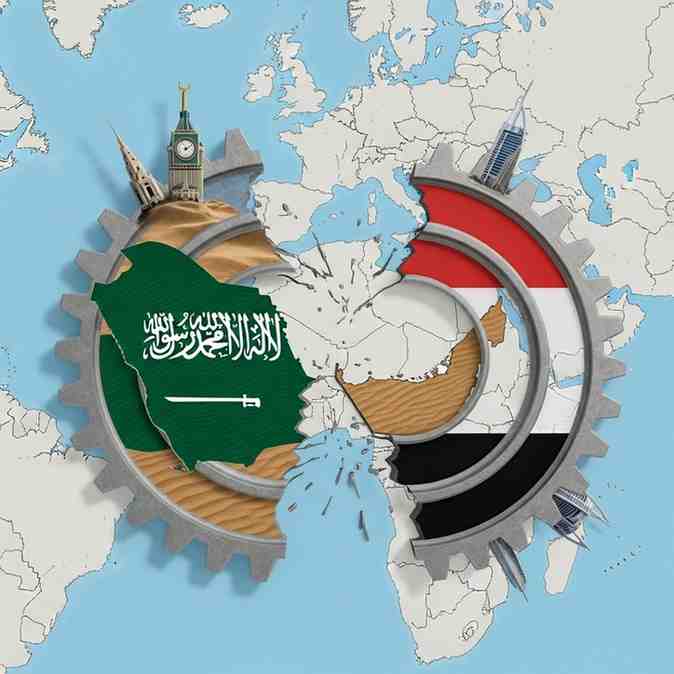
competition. The Mukalla strikes symbolise the breakdown of this uneasy coexistence.
The Houthis: Unintended Beneficiaries
Ironically, the greatest beneficiary of the Saudi–UAE rift may be the Houthis themselves. After withstanding years of coalition pressure, they now face a fractured opposition. Disunity among their adversaries weakens prospects for a negotiated settlement and enhances the Houthis’ bargaining position both militarily and diplomatically.
The erosion of cohesion within the anti-Houthi camp also undermines international efforts to stabilise Yemen, prolonging a conflict that has already produced one of the world’s worst humanitarian crises.
What Lies Ahead
The UAE’s withdrawal should not be mistaken for disengagement. Abu Dhabi is likely to continue shaping events through local partners such as the STC, while avoiding direct military exposure. Saudi Arabia, for its part, may double down on securing Hadramout and reinforcing the Presidential Leadership Council.
What is clear is that Yemen is no longer merely a battleground between a Saudi-led coalition and the Houthis. It has become an arena of open rivalry between Gulf powers themselves. As regional competition replaces alliance politics, the risk is that Yemen’s fragmentation will deepen further, pushing the conflict into an even more dangerous and unpredictable phase — one driven less by ideology than by raw geopolitical contestation.
Month: Current Affairs - January 02, 2026
Category: