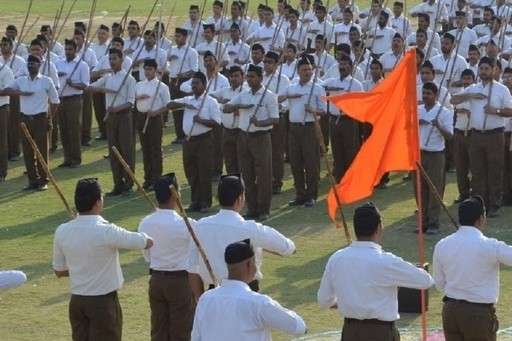
Nationwide symbolic outreach initiative
The Rashtriya Swayamsevak Sangh (RSS) has begun a nationwide flag march from Kashmir to Kanyakumari on February 6, marking a high-visibility outreach initiative during its centenary phase. The march is intended to connect directly with citizens across regions while reaffirming themes of national unity and cultural continuity.
Purpose and symbolism of the march
According to the organisation, the flag march seeks to address long-standing public perceptions and misunderstandings about the RSS by encouraging face-to-face interaction at the grassroots level. Volunteers participating in the march will engage with local communities, explain the organisation’s social service activities, and highlight its vision of nation-building.
The route itself carries strong symbolism. Traversing from Kashmir in the north to Kanyakumari in the south, the march represents territorial integrity and the idea of a culturally connected India, cutting across linguistic, regional and social differences.
Centenary phase and organisational milestones
The initiative coincides with the completion of 100 years since the RSS was founded in 1925. Over the past century, the organisation has expanded through a network of shakhas, relief work, educational initiatives and affiliated organisations. The centenary year has been marked by lectures, outreach programmes and commemorative events aimed at reflecting on its historical evolution and contemporary role.
Cultural commemoration through film
As part of the centenary activities, a feature film titled Shatak , produced by filmmaker Veer Kapoor, is scheduled for release on February 19. The film focuses on stories linked to the 1947 Kashmir conflict and pays tribute to RSS workers, local civilians and Indian Army personnel who lost their lives during that period. It seeks to bring attention to lesser-known narratives of sacrifice and national commitment.
Important Facts for Exams
-
RSS was founded in 1925 by K.B. Hedgewar in Nagpur
-
Kashmir became a flashpoint after the 1947 Partition
-
Kanyakumari is the southernmost tip of mainland India
-
Nationwide marches are often used for organisational outreach
-
Centenary years are marked by symbolic and public engagement programmes
Broader political and social context
The flag march has attracted attention due to the RSS’s prominent influence in India’s social and political discourse. Supporters describe the initiative as an effort at transparency and dialogue, while critics continue to debate its ideological positioning. Together with cultural projects like Shatak , the march reflects a coordinated attempt by the organisation to shape public understanding of its history and identity during a landmark centenary year.
Month: Current Affairs - February 07, 2026
Category: Polity & Governance | Society