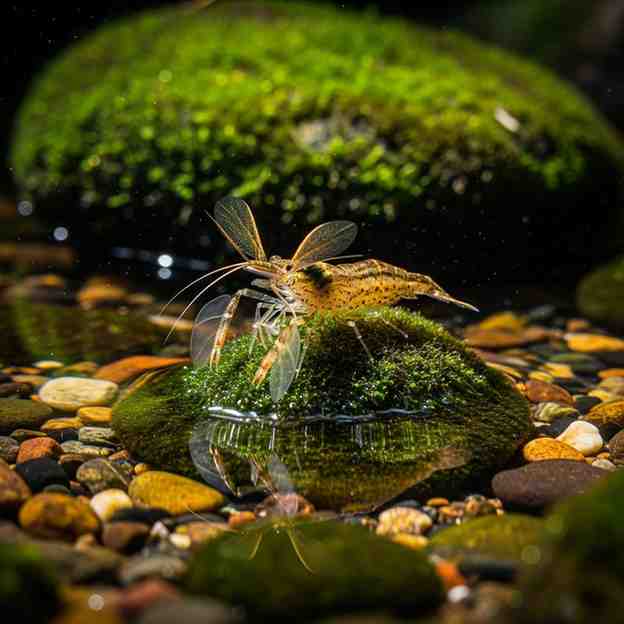
Bamboo Shrimp Rediscovered in India After 72 Years
The elusive bamboo shrimp (Atyopsis spinipes) has been rediscovered in India after a gap of seventy-two years, marking a major milestone in freshwater biodiversity research. Scientists from the Centre for Climate Change Studies, Sathyabama Institute of Science and Technology identified new populations in Karnataka and Odisha following extensive field surveys across estuarine and river systems.
Rediscovery Through Systematic Surveys
The search gained momentum in 2022 after an aquarium enthusiast in Odisha reported sighting an adult bamboo shrimp. Although the specimen could not be preserved, the observation directed researchers toward likely habitats. Field teams later conducted surveys across Udupi, Karwar and Mangaluru , focusing on areas with sandy substrates, leaf litter, mangrove vegetation and brackish-water flow —conditions ideal for the species’ amphidromous life cycle, where larvae develop in brackish waters before migrating upstream.
Correcting Historical Misidentification
The only Indian record from 72 years ago had identified the species as Atyopsis mollucensis . Using modern genetic barcoding and morphological analysis, researchers confirmed that the earlier record was a misidentification. All newly collected specimens—and even an old museum sample from the Andaman Islands—were verified as Atyopsis spinipes , a species known for its tolerance to wider salinity and temperature fluctuations.
Ecology, Threats and Conservation Priorities
Bamboo shrimp are gentle filter feeders that rely on flowing water to capture microscopic food using their fan-like appendages. Their rediscovery draws attention to the vulnerability of India’s freshwater habitats, which face pressures from sand mining, riverbank construction and anthropogenic disturbance . The researchers stress the need for long-term monitoring, accurate taxonomic studies and better habitat protection.
Exam Oriented Facts
-
Atyopsis spinipes rediscovered in India after 72 years .
-
Species is amphidromous , with larvae requiring brackish water.
-
Earlier reports of Atyopsis mollucensis in India were misidentifications.
-
Major threats: sand mining, infrastructure projects and habitat degradation .
Month: Current Affairs - December 03, 2025
Category: freshwater biodiversity, species rediscovery