Cruise Missile Test Highlights Pyongyang’s Military Posture
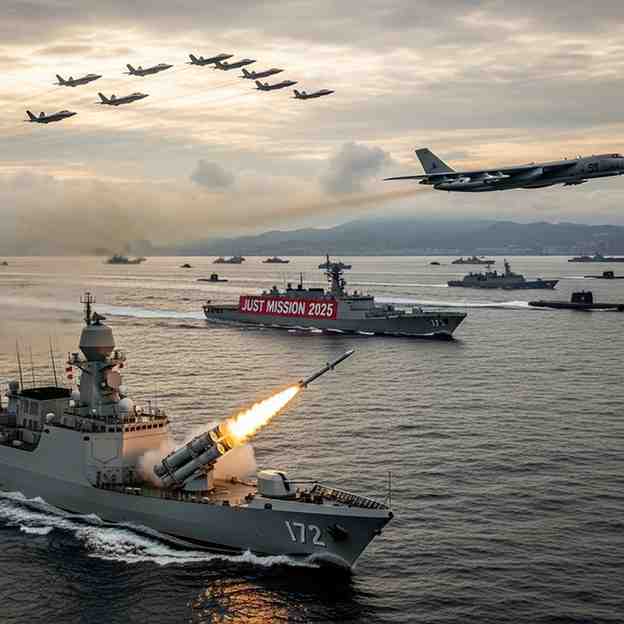
North Korea has conducted a test launch of two strategic long-range cruise missiles, reinforcing its emphasis on what it calls heightened “combat readiness”. The test, reported by state media on December 29 , reflects Pyongyang’s continued focus on strengthening its nuclear-capable strike forces amid persistent tensions with the United States, South Korea, and their regional allies.
Details of the Missile Exercise
According to the Korean Central News Agency (KCNA) , the missiles were launched on December 28 over the Yellow Sea (West Sea) , west of the Korean Peninsula. The missiles reportedly remained airborne for more than two hours before striking designated targets with precision. State-released images showed the missiles in mid-flight and upon impact, highlighting their range, guidance capability, and operational accuracy.
Leadership Oversight and Strategic Messaging
North Korean leader Kim Jong Un personally supervised the exercise. KCNA quoted him as calling for the “unlimited and sustained” strengthening of the country’s nuclear combat forces. The drill was described as a test of the counter-offensive posture and combat effectiveness of long-range missile units, framed by Pyongyang as a defensive response to what it perceives as escalating external military threats.
Regional Monitoring and Security Concerns
South Korea’s Joint Chiefs of Staff confirmed that the missiles were launched from the Sunan area near Pyongyang around 8 am local time. Seoul said it closely tracked the launches and coordinated assessments with allied forces. Military analysts note that cruise missile tests are particularly concerning due to their low-altitude flight paths, manoeuvrability, and greater difficulty of detection compared to ballistic missiles.
Wider Strategic Implications
The launch follows North Korea’s most recent ballistic missile test in early November and coincides with deepening military ties between Pyongyang and Moscow. Experts believe the accelerated testing programme is aimed at improving precision-strike capabilities, strengthening deterrence, and potentially expanding North Korea’s role in global arms networks, further complicating security dynamics in Northeast Asia.
Important Facts for Exams
-
Cruise missiles fly at low altitudes, reducing radar detection
-
The Yellow Sea lies between China and the Korean Peninsula
-
Strategic cruise missiles may be nuclear-capable
-
North Korea frequently labels missile tests as defensive
Month: Current Affairs - December 29, 2025
Category: International Relations