210-Million-Year-Old Dinosaur Trackways Reveal Herd Behaviour in Northern Italy
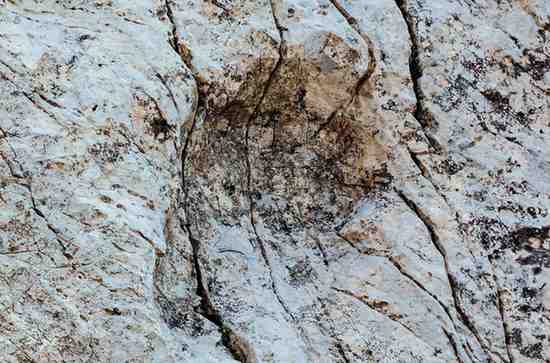
A remarkable palaeontological discovery has been made in northern Italy, where thousands of dinosaur footprints dating back nearly 210 million years have been identified in a remote alpine national park. The find, which dates to the Late Triassic period , is being hailed as one of the most significant dinosaur trackway discoveries in Europe, offering rare insights into early dinosaur behaviour and movement.
Accidental Discovery in an Alpine Landscape
The footprints were discovered in the Fraele Valley near Bormio in Lombardy , a rugged mountainous region better known today for glaciers and winter sports. Wildlife photographer Elio Della Ferrera noticed unusual rock impressions while exploring the area in September. Subsequent scientific examination confirmed that the markings were fossilised dinosaur tracks, preserved exceptionally well due to favourable geological conditions and minimal human disturbance.
Insights into Dinosaur Social Behaviour
Palaeontologists believe the tracks belong mainly to prosauropods , early long-necked dinosaurs that lived during the Late Triassic. The density and arrangement of the footprints suggest that these dinosaurs moved in groups or herds , rather than individually. Some circular and clustered track patterns have led researchers to propose that the animals may have gathered defensively, possibly to protect juveniles from predators. Such behavioural evidence is rarely preserved in the fossil record.
Scientific Value of Trackway Evidence
Unlike skeletal fossils, trackways provide direct evidence of how dinosaurs walked, interacted and migrated. The discovery confirms that the alpine region, now cold and elevated, once had a warm climate capable of sustaining large dinosaur populations . Scientists have described the site as a palaeontological “goldmine” for understanding early dinosaur ecology.
What to Note for Exams?
-
The footprints date to the Late Triassic period (~210 million years ago) .
-
They are attributed mainly to prosauropods .
-
Track patterns suggest herd movement and defensive behaviour .
-
The site is located in Fraele Valley, Lombardy, Italy .
Preservation and Future Research
Given the difficult terrain, Italian authorities plan to use drones and remote sensing to document the site safely. The discovery underscores how prehistoric history remains hidden within modern landscapes, offering new perspectives on dinosaur life.
Month: Current Affairs - Dec 20, 2025
Category: Science & Technology