India to Roll Out Vehicle-to-Vehicle (V2V) Technology by 2026 to Enhance Road Safety
India is moving toward a new era of road safety with plans to roll out Vehicle-to-Vehicle (V2V) communication technology across the country by the end of 2026. Led by the Government of India, the initiative represents a significant shift from reactive accident response to preventive, technology-driven safety management , especially on highways prone to congestion and low-visibility conditions.
What Is Vehicle-to-Vehicle (V2V) Technology?
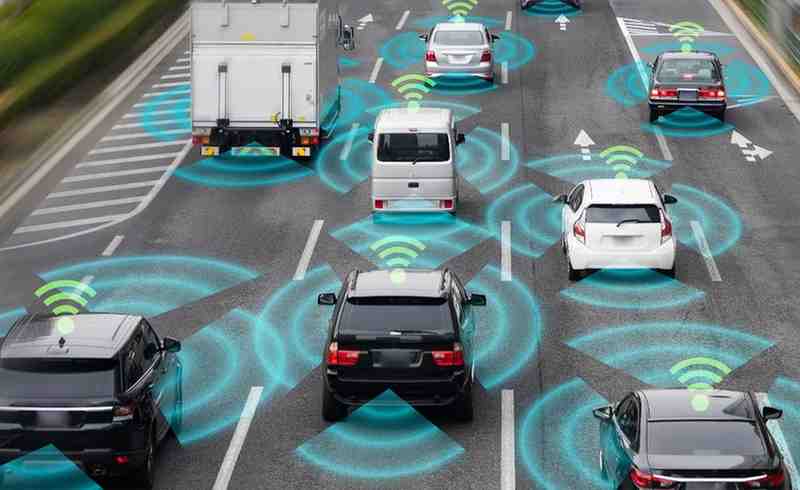
V2V communication enables vehicles to “talk” to one another directly, without depending on mobile networks or internet connectivity. Each vehicle is equipped with a dedicated communication module—similar in form to a SIM card—that continuously exchanges data with nearby vehicles.
When two vehicles come dangerously close, or when one vehicle detects sudden braking or a stationary obstacle ahead, the system automatically sends instant alerts to drivers. Because communication occurs in all directions, drivers gain 360-degree situational awareness , including information about vehicles they cannot see directly.
Reducing Accidents and Fog-Related Pileups
One of the most critical benefits of V2V technology is its potential to prevent rear-end collisions , particularly those involving parked or broken-down vehicles on highways. Officials also expect the system to play a vital role in reducing multi-vehicle pileups during dense fog , a recurring cause of fatal accidents in northern India during winter.
In such conditions, human reaction time and visibility are severely compromised. V2V alerts can warn drivers well in advance, allowing them to slow down or change lanes before a collision becomes unavoidable.
Government Roadmap and Integration with ADAS
According to Nitin Gadkari , Union Minister for Road Transport and Highways, the proposal was discussed at the annual conference of state transport ministers. The rollout strategy involves making V2V technology mandatory first for new vehicles , followed by a phased expansion to existing vehicle fleets.
Importantly, V2V will work alongside Advanced Driver Assistance Systems (ADAS) —such as automatic braking, lane-keeping assist, and collision warnings. While ADAS relies on sensors and cameras, V2V adds a network-free communication layer , making safety systems more reliable even in poor weather or low visibility.
Cost, Global Context, and Additional Safety Measures
The Ministry of Road Transport and Highways has estimated the overall project cost at around ?5,000 crore . While consumers are expected to bear part of the cost, detailed pricing and implementation guidelines are still being finalised.
Officials have described the initiative as a major milestone, noting that only a handful of countries worldwide have implemented similar large-scale V2V systems. Alongside this rollout, the government is strengthening road safety norms through measures such as stricter Bus Body Code enforcement and mandatory installation of fire extinguishers, driver drowsiness detection systems, and emergency hammers in buses.
Why V2V Matters for India
With one of the highest numbers of road accident fatalities globally, India faces an urgent need for smarter safety solutions. V2V technology shifts the focus from driver-only awareness to collective vehicle intelligence , where every connected vehicle contributes to safer roads.
By combining real-time communication, sensor-based systems, and phased policy implementation, V2V has the potential to significantly reduce
Month: Current Affairs - January 09, 2026
Category: Vehicle-to-Vehicle (V2V) Technology