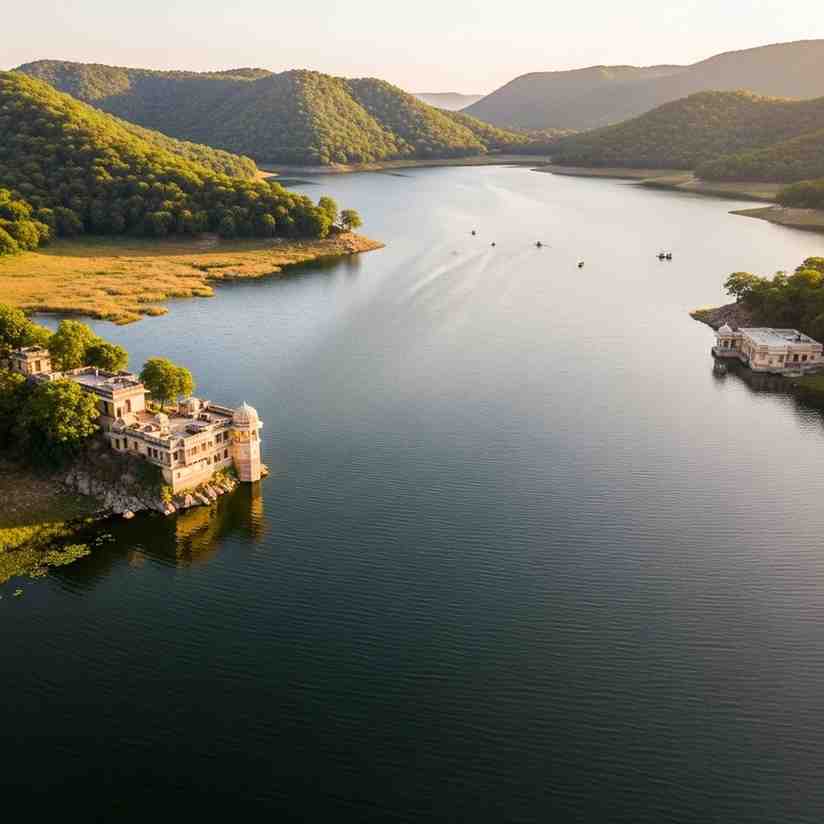
Siliserh Lake Declared Ramsar Site, Boosting India’s Wetland Conservation Efforts
Siliserh Lake in Rajasthan’s Alwar district has earned international recognition after being designated a Ramsar site , becoming India’s 96th wetland of international importance . The announcement by the Convention on Wetlands highlights India’s continued focus on protecting ecologically valuable water bodies. Alongside Siliserh, the Kopra Reservoir in Chhattisgarh has also been included in the global Ramsar list, further strengthening the country’s conservation footprint.
Ecological and Environmental Significance
Ramsar status acknowledges Siliserh Lake’s vital role in biodiversity conservation, water regulation and climate resilience. Nestled within the Aravalli landscape , the lake supports a wide range of flora and fauna and acts as an important freshwater ecosystem in a semi-arid region. Its wetland functions help regulate microclimates, recharge groundwater and sustain surrounding agricultural and forest ecosystems.
Biodiversity Hotspot Near Sariska
Siliserh Lake is home to over 100 species of birds and animals , including migratory birds such as cranes and several resident species like kingfishers and herons. The lake serves as a feeding and resting ground for avifauna, especially during winter migration. Its proximity to the Sariska Tiger Reserve enhances its ecological connectivity, contributing to landscape-level conservation across the region.
Historical Legacy and Community Value
Constructed in 1845 by Maharaja Vinay Singh , Siliserh Lake was originally designed to supply drinking water to Alwar city. Historic aqueduct remains still visible around the lake reflect its engineering heritage. The Ramsar designation is expected to encourage stronger community participation, scientific management and sustainable tourism while preserving the lake’s cultural and environmental value.
Tourism and Sustainable Development
With global recognition, Siliserh Lake is likely to attract eco-tourism, creating livelihood opportunities for local communities. Authorities emphasise that tourism growth will be guided by conservation norms to ensure ecological balance and long-term sustainability.
Exam Oriented Facts
-
Ramsar Convention was adopted in 1971 for wetland conservation.
-
Siliserh Lake is India’s 96th Ramsar site .
-
Located in Alwar district, Rajasthan , near Sariska Tiger Reserve.
-
Built in 1845 as a water-supply reservoir.
Month: Current Affairs - Dec 14, 2025
Category: Wetland conservation