Indian Railways Introduces OTP-Based Ticket Verification to Curb Misuse
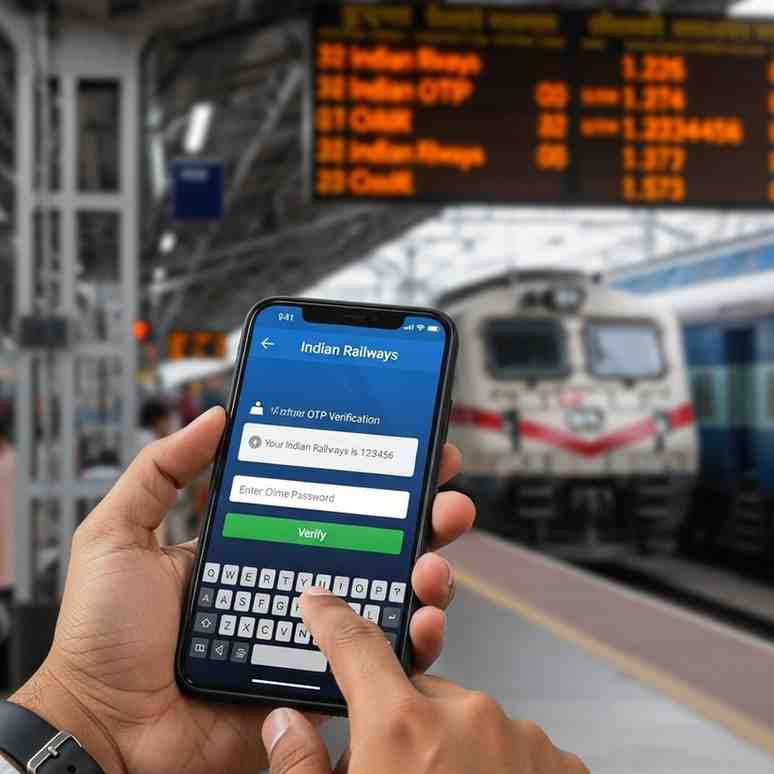
Indian Railways has rolled out a One-Time Password (OTP)–based ticket verification system to tighten passenger identity checks and tackle irregular booking practices. The initiative is aimed at improving transparency, enhancing travel security, and limiting the role of unauthorised agents in high-demand routes.
Strengthening the Ticketing Ecosystem
The new digital safeguard came into effect on January 12 and has been introduced across 300 key trains in the first phase. Under the system, a ticket—whether booked online or at a reservation counter—will only be issued after successful OTP verification linked to the passenger’s mobile number. Railways officials say this marks a decisive move towards cleaner and more accountable ticketing.
Step-by-Step OTP Booking Process
For counter bookings, passengers must now provide an active mobile number. An OTP is generated instantly and sent to the number, and ticket issuance proceeds only after verification. The same authentication layer has been integrated into the online reservation workflow, ensuring consistent identity validation across booking channels.
Focus on High-Demand and Premium Trains
The initial rollout prioritises busy routes and premium services such as Rajdhani, Shatabdi and Duronto Express trains. Some zones had earlier experimented with OTP checks for counter tickets, but the current expansion standardises the process across multiple railway zones and services with heavy passenger demand.
Exam-Focused Key Points
-
OTP-based ticketing is designed to prevent fake, bulk and proxy bookings.
-
The first phase covers 300 major trains across India.
-
OTP verification is compulsory for both online and counter reservations.
-
Premium services are included in the initial rollout.
-
The system enhances passenger security and booking transparency.
Roadmap for Nationwide Implementation
Railway authorities have indicated that the OTP mechanism will be expanded gradually. Based on feedback and operational outcomes from the first phase, the system is expected to be extended to the entire rail network. Officials believe the measure will significantly reduce ticket misuse while restoring passenger confidence in the reservation process.
Month: Current Affairs - Jan 14, 2026
Category: Digital Governance, Public Service Reforms