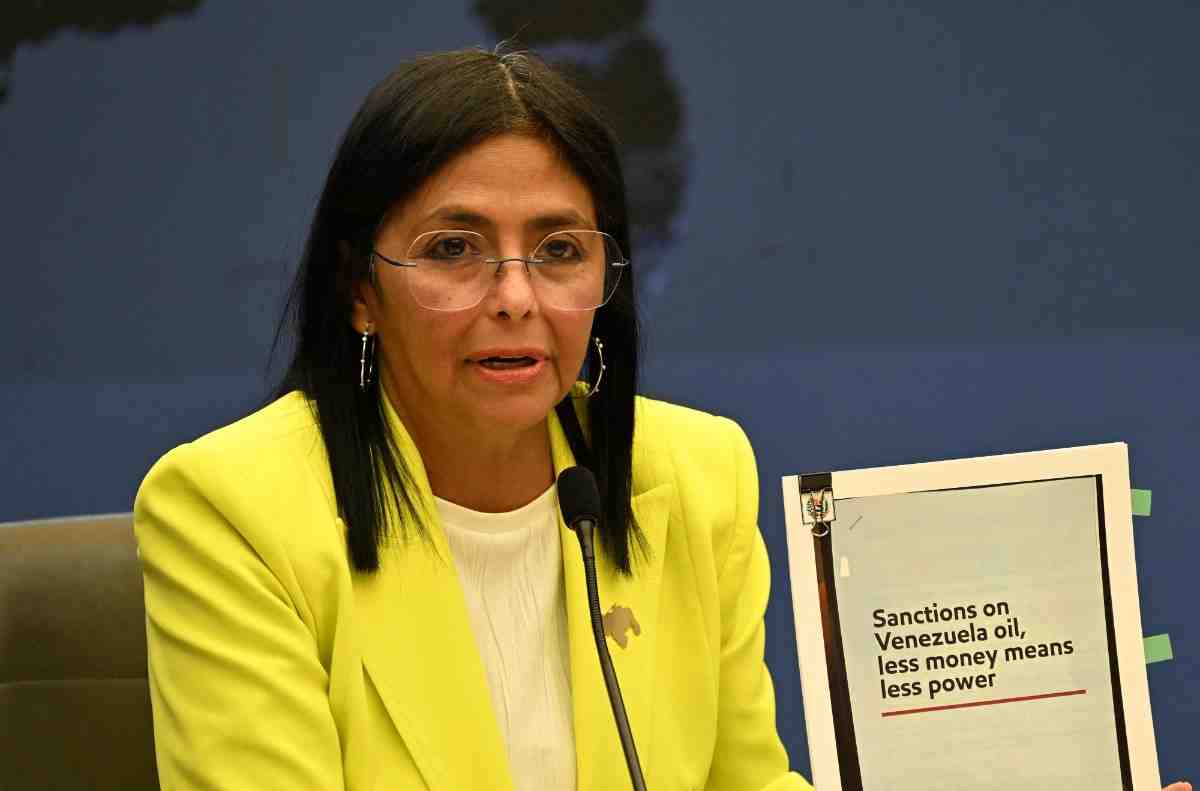
Delcy Rodríguez Assumes Venezuelan Presidency Amid Unprecedented Crisis
In a dramatic shift of power, Delcy Rodríguez was sworn in as Venezuela’s new president following the capture of former leader Nicolás Maduro and his wife by United States forces. Her sudden elevation occurs during a period of extreme geopolitical instability. Rodríguez inherits a nation confronting a fractured political landscape, a crippled economy, and the enduring legacy of the Bolivarian Revolution, a political system fundamentally defined by its resistance to external influence, particularly from the United States.
Upholding the Bolivarian Legacy
Rodríguez now leads a political movement deeply rooted in the ideology of the late President Hugo Chávez. The Bolivarian Revolution’s pillars of anti-imperialism and state control over strategic sectors, especially the vast oil industry, define its identity. This legacy significantly constrains her political flexibility, as any perceived concession to Washington risks alienating the movement’s core base. Her immediate condemnation of Maduro’s capture as a “barbarity” was a strategic move aimed at reassuring loyalists and affirming her commitment to the revolutionary cause.
Navigating Relations with a Adversarial Washington
The most pressing external challenge is managing negotiations with the administration of U.S. President Donald Trump, which has maintained a military presence in the Caribbean and issued stark warnings against non-cooperation. Washington has presented explicit demands, including curbing international drug trafficking, expelling Iranian and Cuban operatives, and ceasing oil sales to U.S. adversaries. Paradoxically, U.S. officials reportedly view Rodríguez as a comparatively pragmatic figure on economic matters, a perception that facilitated her ascent to power in the current climate.
Domestic Fragmentation and the Battle for Control
Internally, Rodríguez must navigate a labyrinth of entrenched power centers. Influential figures like Diosdado Cabello and Defence Minister Vladimir Padrino López command the loyalty of the armed forces, police, and intelligence apparatus. Their support is indispensable for maintaining regime stability. The political crisis is further compounded by opposition claims from exiled diplomat Edmundo González, who asserts he won the 2024 presidential election and has declared himself a president-in-exile, deepening the nation’s institutional legitimacy crisis.
Economic Realities and an Uncertain Political Horizon
While Rodríguez is regarded as technically competent on economic issues, her scope for action is severely limited. The U.S. continues to enforce oil sanctions, intercepting tankers and targeting vessels suspected of narcotics trafficking. Although Washington anticipates a eventual transition to free and fair elections, no clear timetable has been established. The durability of Rodríguez’s presidency will be tested by her ability to balance the imperatives of economic stabilization, maintaining military loyalty, and managing intense international pressure.
Key Facts for Examinations:
-
Venezuela operates under a presidential system characterized by strong executive authority.
-
The core tenets of the Bolivarian Revolution are anti-imperialism and state-led development.
-
Venezuela possesses the world’s largest proven oil reserves.
-
Comprehensive U.S. sanctions have profoundly impacted Venezuela’s oil-dependent economy and export capabilities.
Month: Current Affairs - Jan 06, 2026
Category: World Politics