Overview :
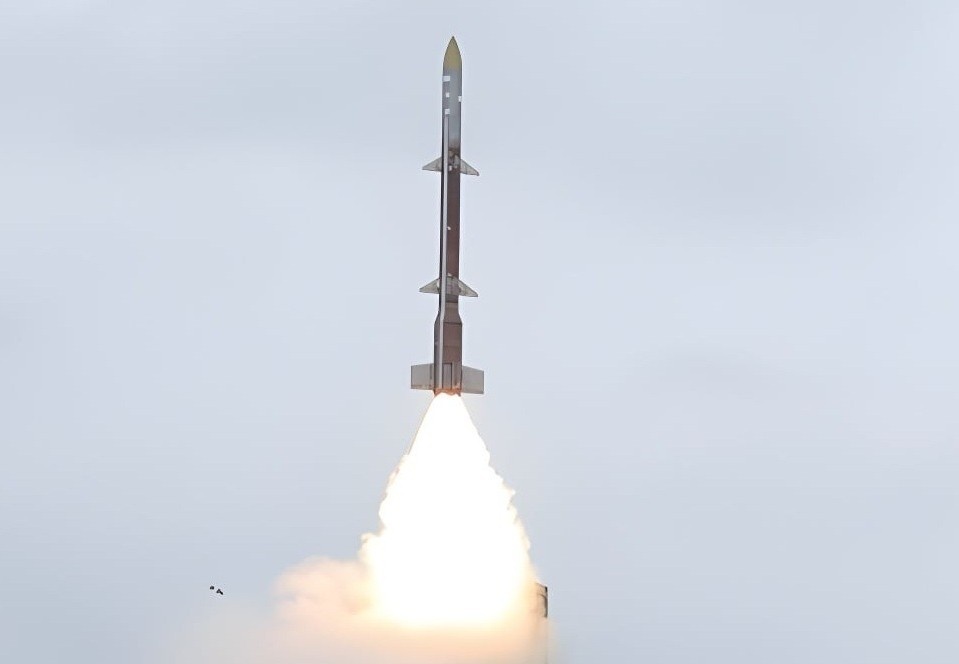
India's DRDO just fired the Kusha M-1 interceptor off Odisha coast. Three more tests coming in 12 months - from 120 km to 400 km range. This anti-ballistic shield plugs the gap between Akash and S-400 systems. Prime Minister Modi prioritised this after Pakistan's 1,000-projectile attack in Op Sindoor.
Exam-Focused Points :
-
Project Kusha Components: Three interceptors - M-1 (120 km), M-2 (150 km), M-3 (400 km). All are Long Range Surface-to-Air Missiles (LR-SAM) designed to neutralise aerial threats.
-
Timeline and Priority: Cabinet Committee on Security cleared it in May 2022. Real push came after Operation Sindoor when Pakistan fired 1,000 projectiles at India. Akash Teer system intercepted all of them successfully.
-
Strategic Gap-Filler: Current Indian systems cover only up to 80 km (Akash). S-400 from Russia covers longer ranges. Kusha bridges this middle ground - creating a seamless missile defence umbrella.
-
Radar Component: Project Kusha isn't just about missiles. Long-range radars will detect enemy launches across the border and trigger interceptors automatically. Detection and destruction work together.
-
S-400 Integration: Fifth Russian S-400 system arrives November 2026. India plans to buy 280+ S-400 missiles under "buy and make" route. Five more systems will be produced in India.
-
Standoff Warfare Reality: Iran's February 2026 drone and missile attacks against Gulf countries and Israel proved anti-ballistic systems can't stop everything. India needs layered defence - Kusha adds that critical layer.
-
Infrastructure Protection: Project Kusha protects fighting platforms AND critical civilian infrastructure. Power plants, dams, command centres - all get covered under this shield.
FAQs :
Q1: What makes Project Kusha different from India's existing missile defence?
A: Current Akash system covers 80 km. S-400 covers longer but is imported. Kusha provides indigenous 120-400 km coverage - bridging the gap with homegrown technology.
Q2: Why did Operation Sindoor trigger this project's acceleration?
A: Pakistan fired 1,000 projectiles in a single attack. Though Akash Teer stopped them, India realised future wars will involve massive missile barrages. You need layered defence - not just one system.
Q3: How does Kusha compare to S-400?
A: S-400 is more powerful (up to 400 km) but expensive and imported. Kusha M-3 will match S-400's range at lower cost. India plans to use both - Russian systems plus indigenous ones.
Q4: What is Mission Sudarshan Chakra?
A: It's the overall name for India's anti-ballistic missile shield programme. Project Kusha is a key component. Think of it as India's umbrella against aerial attacks - from drones to ballistic missiles.
Q5: Will Kusha protect against hypersonic missiles?
A: Current interceptors target ballistic missiles and drones. Hypersonic weapons travel differently. DRDO is working on separate systems for that threat. Kusha handles the conventional missile threat first.
Month: Current Affairs - Jul 24, 2026
Category: Defence indigenisation