Overview :
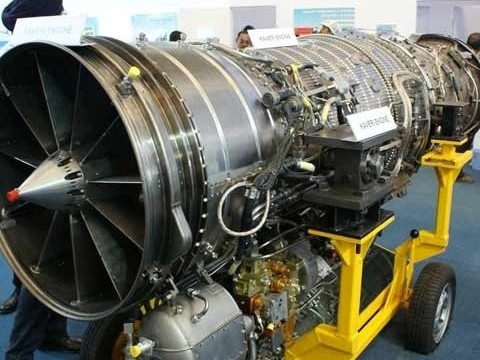
DRDO's GTRE received India's first fully indigenous 350 kg thrust turbojet engine on July 22. Hyderabad's Azad Engineering built and delivered it. This engine will power NASM-MR anti-ship missiles and armed drones. The handover marks India's entry into a select group of nations mastering jet propulsion technology.
Exam-Focused Points :
-
The Engine's Specs: 350 kg thrust class expendable turbojet. Fully indigenous design by GTRE Bengaluru. Azad Engineering handled complete manufacturing, assembly, and integration as sole industry partner.
-
Primary Application: Powers the NASM-MR (medium-range anti-ship missile). India's naval strike capability just got a significant boost. Same engine architecture will equip unmanned aerial vehicles and armed drones.
-
The Kaveri Connection: GTRE's flagship Kaveri engine struggled for decades to achieve fighter-grade thrust. This smaller engine gives GTRE a much-needed success story while Kaveri continues its longer development path.
-
Private Sector Role: Azad Engineering secured the contract in May 2024. The company transformed from component supplier to complete system integrator. Target delivery was early 2026 - they delivered on time with only a few months' slip.
-
Strategic Significance: Only a handful of countries produce indigenous turbojet engines. India just joined that exclusive club. Defence Secretary called it a "historic achievement" for indigenous manufacturing.
-
Technology Leap: Jet propulsion demands tight tolerances, specialised alloys, and rigorous quality control. Building a domestic design to this complexity signals India's industrial base has matured significantly.
-
Future Applications: Beyond missiles, this engine class powers compact drones and UAVs globally. India's defence industry can now supply these systems without import dependence.
FAQs :
Q1: What makes this turbojet engine special for India?
A: It's fully indigenous - from design to delivery. GTRE designed it, Azad Engineering built it. No foreign technology or licensing involved. India joins the elite club of nations making their own jet engines.
Q2: Why did Kaveri fail but this engine succeed?
A: Kaveri aimed for fighter aircraft thrust (around 80 kN). Much harder target. This 350 kg engine has lower performance demands. GTRE started small, won early, and built confidence. Smart strategy.
Q3: How does this connect to India's startup ecosystem?
A: Azad Engineering shows how private firms can partner with DRDO. Not just supplying parts - delivering complete systems. This opens doors for other Indian startups in defence manufacturing.
Q4: What is NASM-MR and why does it matter?
A: Naval anti-ship missile - medium range. India's navy gets indigenous firepower. No more waiting for foreign suppliers. The engine is the heart of this missile system.
Q5: Will this engine help India's agri-food exports?
A: Indirectly. Strong defence manufacturing frees up foreign exchange. That money can boost agricultural infrastructure. Plus, precision engineering skills transfer to farm equipment manufacturing.
Month: Current Affairs - Jul 24, 2026
Category: Defence indigenisation