Overview
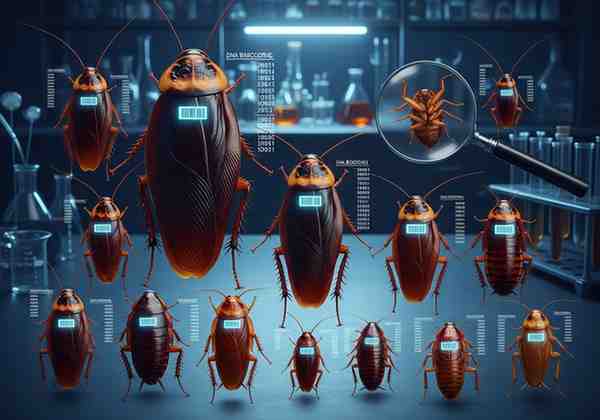
India now has 191 recorded cockroach species, with over 60% found nowhere else. In 2026, the Zoological Survey of India built the country’s first large DNA barcode reference library for these insects. A new endemic species, Neoloboptera peninsularis , was also discovered in the Deccan Peninsula. The work aids identification, taxonomy, and conservation.
A New Chapter in Indian Entomology
The world of cockroaches is far larger and more fascinating than the few pests we see in kitchens. India has now documented 191 species of these ancient insects. A scientific study published in the taxonomy journal Zootaxa has brought a fresh wave of clarity. It gives the country its first and largest DNA barcode reference library for cockroaches. This effort helps experts identify species with precision and places India at the forefront of cockroach research.
Cockroach Diversity in India
India is home to an incredible variety of cockroaches. The total count stands at 191 species. More than 60 percent of them are endemic. This means they live only within Indian territory and nowhere else on Earth. The new study added several undocumented and endemic lineages to the official record. The high percentage of endemism makes India a global hotspot for cockroach diversity. Each region, from the Western Ghats to the northeastern hills, shelters forms that have evolved in isolation for millions of years.
What Is DNA Barcoding and Why It Matters
DNA barcoding is a simple but powerful tool. It reads a short genetic sequence from a living thing. In animals, scientists often use a segment of the mitochondrial cytochrome c oxidase I gene, or COI. This sequence acts like a unique product code for each species. Even when two species look almost identical, their DNA barcodes show clear differences. In taxonomy, this method resolves long-standing disputes. Many cockroach groups have very similar external features. A tiny difference in body shape or colour can confuse even experts. DNA barcodes remove that confusion. They give a black-and-white answer about which species is which.
India’s First and Largest Cockroach DNA Barcode Library
The 2026 study created a reference library with more than 100 high-quality DNA barcodes. This is the first large-scale barcode collection for Indian cockroaches. Before this, identification relied heavily on physical examination of specimens. Now, a researcher can take a small tissue sample, sequence the COI gene, and match it against this library. The library covers widespread species and rare endemics. It sets a baseline for future ecological surveys, pest management studies, and biodiversity assessments. Because it is the largest of its kind for Indian cockroaches, it serves as a national resource for scientists and forest officials alike.
Research Institutions and Collaboration
Science thrives on teamwork. This project brought together bright minds from multiple institutes. Scientists from the Zoological Survey of India’s Western Regional Centre in Pune led the charge. The Southern Regional Centre in Chennai also played a key role. Prof. Ramkrishna More College joined the collaborative effort. Together, they collected specimens, generated DNA sequences, and analysed the data. Their work forms part of a wider national mission to build a reference library for India’s insect diversity. Such partnerships connect academic knowledge with government research infrastructure, and that speeds up discovery.
Biogeography and the Gondwana Connection
Some endemic cockroach lineages in India carry a deep history. Their ancestors likely walked on the supercontinent Gondwana. This ancient landmass included present-day
Month: Current Affairs - May 27, 2026
Category: Environment - Biodiversity