Zimbabwe Moves Towards Floating Solar Energy
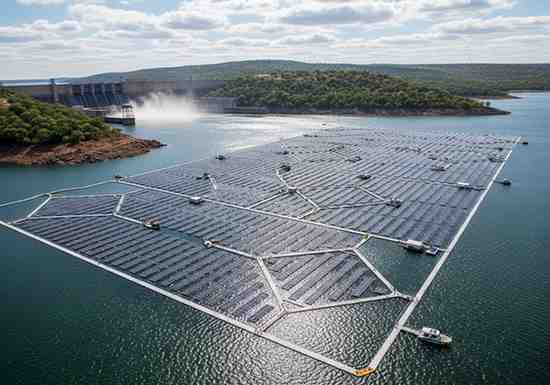
Zimbabwe is planning a 500 MW floating solar power project at Kariba Dam to tackle electricity shortages. The project aims to improve energy supply while promoting clean and sustainable power.
Project Goals and Key Features
The solar plant will be set up on Lake Kariba, one of the largest man-made lakes in the world. It is designed to supply reliable electricity, especially to industries like mining that are important for the country’s economy. The project will also use existing transmission systems, making it cost-effective and efficient.
Reducing Dependence on Hydropower
Kariba Dam has long been a major source of electricity for Zimbabwe. However, droughts and low water levels have reduced its power generation. The floating solar project will act as a backup, ensuring electricity even when hydropower output falls.
Advantages of Floating Solar Technology
Floating solar panels offer many benefits. They do not require land, which helps save space. The water below keeps the panels cool, improving efficiency. They also reduce water evaporation. When combined with hydropower, solar energy can be used during the day and hydropower at night, ensuring a steady supply.
Exam-Focused Points
-
Kariba Dam: Located on Zambezi River (Zambia–Zimbabwe border)
-
Lake Kariba: Largest man-made reservoir by volume
-
Floating solar: Higher efficiency due to cooling effect
-
Hybrid system: Solar + hydropower combination
-
Aim: Energy security and renewable transition
Economic and Environmental Impact
This project will help Zimbabwe reduce its dependence on fossil fuels and move towards cleaner energy. It may also support industries through carbon credits and create new job opportunities. Additional activities like fish farming under solar panels can benefit local communities.
Month: Current Affairs - March 31, 2026
Category: Environment, Energy, Infrastructure