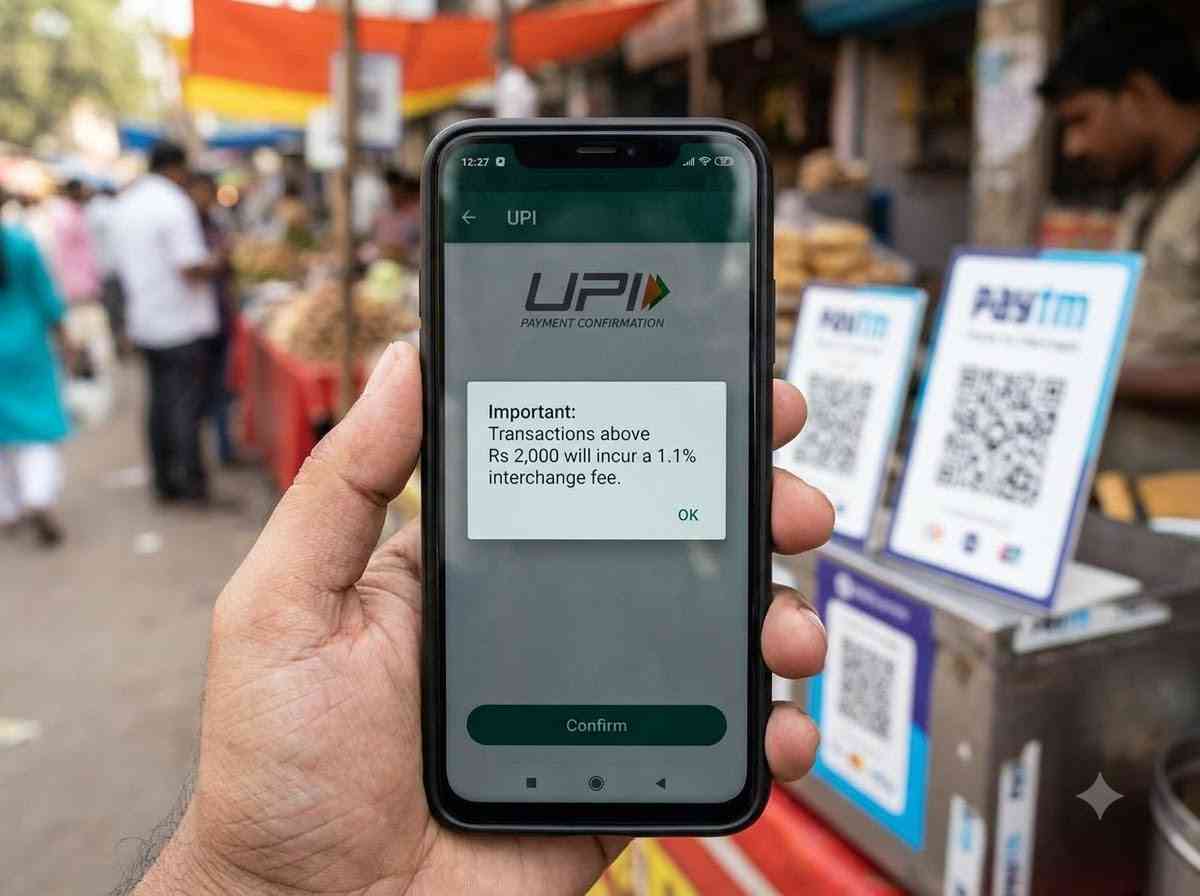
Overview :
Lok Sabha passed the Taxation and Other Laws (Amendment) Bill, 2026, amending the Payment and Settlement Systems Act, 2007, enabling the government to levy charges on select digital payments. No charges apply immediately—future notifications will decide. UPI processed 23.66 billion transactions in July 2026 worth Rs 29.88 lakh crore.
Understanding the Bill's Purpose
Think of UPI as a digital highway. The bill doesn't build toll booths—it just allows toll booths to be built later. The government now has the legal authority to decide which vehicles (transactions) pay and which don't.
The Scale of UPI
UPI processed 23.66 billion transactions in July 2026 alone, worth Rs29.88 lakh crore. Daily averages: 763 million transactions worth Rs96,383 crore. Year-on-year growth stands at 22% in volume and 19% in value. This scale creates significant infrastructure costs for banks and payment providers.
The Enabling vs Imposing Distinction
The bill is enabling legislation—it creates the legal framework but doesn't impose charges. Future government notifications and RBI regulations will determine the specifics: which transactions, what rates, and what exemptions.
Who Will Be Affected?
-
Small merchants (tea stalls, vendors, grocers) Likely exempt or minimal charges
-
Large merchants and online platforms May face MDR charges
-
Personal transfers Likely remain free
-
Banks and fintechs May gain additional revenue streams
Comparing with Card Payments
MDR already exists for credit and debit cards. UPI has been the exception—free for merchants since January 2020. This bill brings UPI closer to the card model while allowing the government to retain control over exemptions.
Consumer Protection Priority
The government can decide transaction exemptions to protect consumers and promote digital payments. The bill doesn't signal an end to free UPI for small transactions.
Exam-Focused Points :
-
Bill passed Lok Sabha passed the Bill; no immediate charges apply
-
Legal basis Amends Payment and Settlement Systems Act, 2007
-
Government power Can prescribe which payment systems and transactions remain free
-
RBI role Will continue to regulate payment systems and enforce rules
-
Affected parties Large merchants likely to face MDR; small merchants and P2P transactions likely exempt
-
UPI scale 23.66 billion transactions (July 2026); Rs29.88 lakh crore value
-
Key distinction Enables charges, does not impose them
FAQs :
Q1: Will UPI become chargeable immediately?
No. The bill only enables charges; a future government notification with specific rules is required.
Q2: Who will likely be affected by UPI charges?
Large retailers and online platforms may face Merchant Discount Rate charges; small shopkeepers and individuals likely remain exempt.
Q3: Will personal transactions between friends and family be charged?
Most likely not. The government aims to keep peer-to-peer transfers free.
Q4: What is the purpose of the bill?
To allow payment system operators to recover infrastructure costs while enabling the government to exempt certain transactions for consumer protection.
Q5: Why was the bill needed?
UPI's scale (23.66 billion monthly transactions) incurs significant infrastructure, security, and processing costs that banks and fintechs currently bear.
Month: Current Affairs - Aug 07, 2026
Category: Digital Payments and Financial