A Major Shift in Global Energy Politics
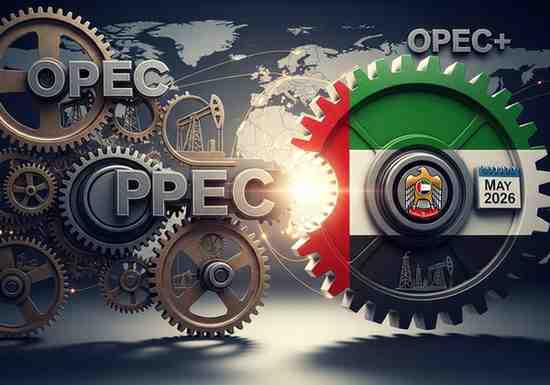
The United Arab Emirates has declared its intention to leave OPEC and the OPEC+ in general by May 1, 2026.This action comes amid an increased volatility in the world oil markets, caused by local warfare and disruptions in the major energy delivery corridors. Being a key oil producer, the UAE withdrawal will affect the pricing forces as well as the internal equilibrium within the oil-exporting group.
Why the UAE Decided to Leave
The UAE government has positioned the decision in its long-term economic and energy plan. Energy Minister Suhail Mohamed al-Mazrouei said that the decision was made on the basis of national priorities and future production objectives as opposed to collective decision-making in the group.
One of the reasons that led to the exit is the need of UAE to have more flexibility in production. With the quota system in OPEC, member states are required to produce within quotas to stabilise the world prices. As production capacity grew, however, the UAE was seeing these limitations become more and more incongruent with its growth goals.
Effect on the influence of OPEC.
The exit is a major blow to OPEC that has long been used to the unity of its members to deal with oil supply in the world. UAE has an estimated 4.8 million barrels per day in production capacity hence it is one of the most influential members of the group.
Its exit could:
- Undermine the power of OPEC to limit supply.
- Weaken its ability to stabilise oil prices.
- Put more pressure on nations such as Saudi Arabia to balance the markets.
Concurrently, the influence of the cartel is being already shaken by the increased production of non-OPEC countries, particularly the United States.
Geopolitical Situation: Strait of Hormuz Tensions.
The time of the decision is well connected with the instability in the region, especially in the Strait of Hormuz.
This critical route handles nearly 20% of global oil and LNG shipments , making it one of the world’s most important energy chokepoints. The continued tensions and threats to shipping has augmented risks and expenses to exporters in the region.
The UAE action also indicates the larger geopolitical processes, such as rivalry with Saudi Arabia and changing strategic interests in such areas as the Red Sea and Yemen.
Shifting the Dynamics in Global Oil Markets.
The departure reflects a wider trend in the direction in which the major oil producers are treating the market. As the world reduces its demand growth rate and as energy transitions proceed, nations are reconsidering the conventional cartel way of coordination.
Some of the important trends are:
- Favouring maximum output against limiting supply
- Growing significance of national energy policies.
- Increasing competition by non-OPEC producers .
Reactions around the world have been both favorable and unfavorable with fears of heightened price volatility. The role of OPEC in determining the prices of oil has been criticised before by political leaders, such as Donald Trump.
Month: Current Affairs - April 29, 2026
Category: International Relations