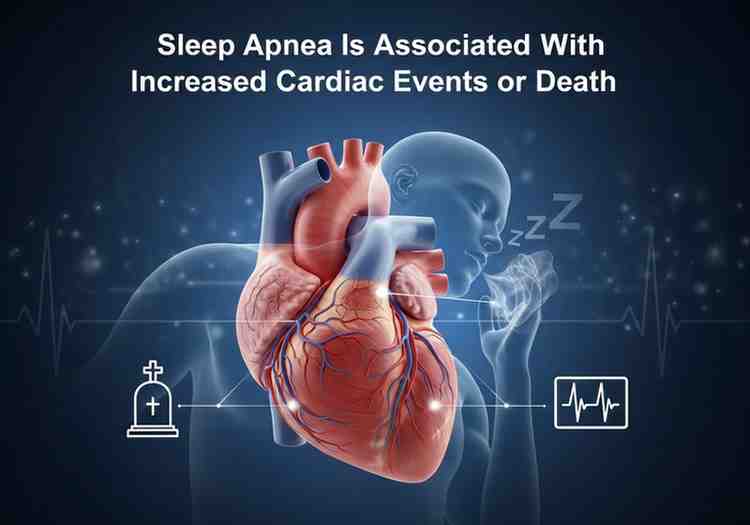
Sleep Apnea Puts Health at Risk
The European Congress on Obesity 2026 revealed new findings regarding obstructive sleep apnea that demonstrate how dangerous such sleep disorders could be for patients' health and wellbeing, especially in those who suffer from obesity.
Key Results of the Scientific Study
According to the research, people diagnosed with obstructive sleep apnea (OSA) have more than 71% increased probability of having a heart problem or dying from some related disease compared to individuals without this condition. The researchers analyzed the data of almost 2.9 million people and compared 20,300 patients with OSA and over 97,000 healthy people.
How Does Obesity Contribute to OSA?
The condition is linked to interrupted breathing during sleep caused by airway blockages. It contributes to the development of various long-lasting diseases associated with low-quality sleep. According to the study, about 40-70% of OSA patients are either overweight or obese, and it worsens their prognosis.
Effects of Obstructive Sleep Apnea on Health
OSA results in permanent oxygen deprivation affecting the entire body's physiological processes. As a consequence, the risk of heart attack and stroke significantly increases. Despite adjusting for potential confounding variables, scientists concluded that this relationship remains significant.
Exam Focused Information
- OSA – repeated obstruction of the airways during sleep
- Linked to being obese and cardiovascular diseases
- Sample Size – 2.9 million participants
- Increased Risk – 71% higher risk of heart attack/stroke/other problems
- ECO – major international obesity congress
Importance of Diagnosis and Treatment
This study shows the importance of detecting the problem in time and receiving adequate treatment. Losing extra pounds, improving the quality of sleep, and consulting with a healthcare professional may prevent developing OSA. However, there is still insufficient information available about this problem.
Month: Current Affairs - April 04, 2026
Category: Science - Technology, Health