Shigellosis Outbreak Raises Health Concerns
A recent outbreak of Shigellosis has been reported in Kerala, causing concern due to its fast spread. The disease is linked to poor hygiene and sanitation and is a common cause of diarrhoea.
What is Shigellosis?
Shigellosis is an infection caused by bacteria called Shigella. It mainly affects the intestines and leads to diarrhoea. It is one of the major bacterial causes of diarrhoeal diseases worldwide. Humans are the only carriers of this bacteria, which means it spreads easily from one person to another.
How Does It Spread?
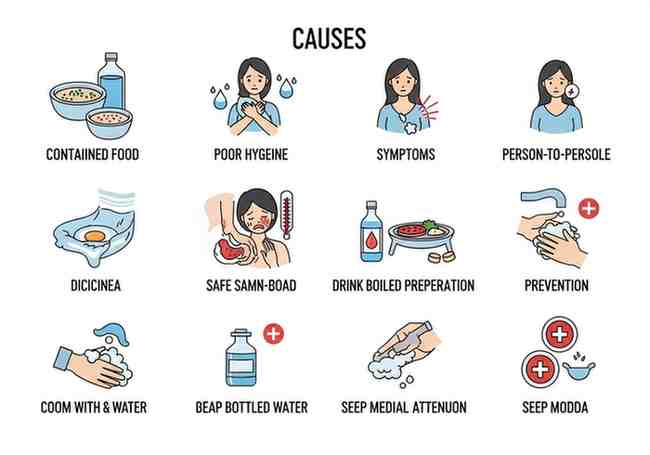
The infection spreads through the faecal-oral route. This happens when people consume contaminated food or water or come in contact with infected individuals. Poor hygiene, such as not washing hands properly, increases the risk. It can also spread through close personal contact. Young children, elderly people and those with weak immunity are more at risk.
Symptoms and Signs
The most common symptom is diarrhoea, which may contain blood or mucus. Other symptoms include stomach pain, fever, vomiting and a feeling of needing to pass stool frequently. Symptoms can range from mild to severe depending on the person’s health.
Exam-Focused Points
-
Shigellosis: Bacterial disease caused by Shigella
-
Spread: Faecal-oral route (food, water, contact)
-
Reservoir: Humans only
-
Symptoms: Diarrhoea, fever, cramps
-
Risk group: Children, elderly, weak immunity
Treatment and Prevention
Most cases are mild and recover without treatment. Severe cases may need antibiotics. Prevention includes washing hands, drinking clean water, eating safe food and maintaining proper sanitation. These steps are important to control outbreaks and protect public health.
Month: Current Affairs - March 29, 2026
Category: Health, Governance