Overview :
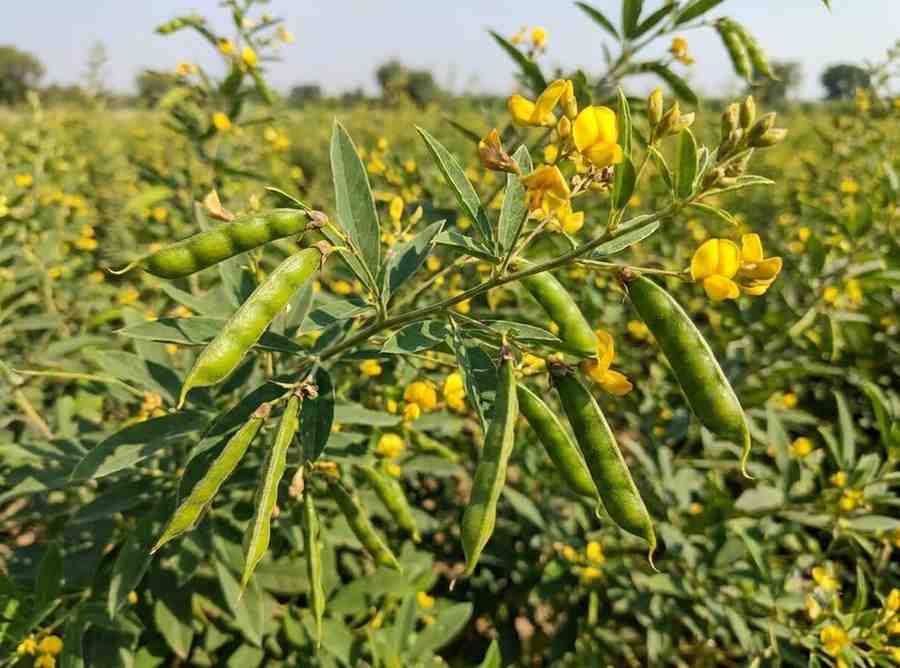
ICAR developed India's first fully annotated telomere-to-telomere (T2T) reference genome of pigeonpea variety 'Asha'. Pigeonpea (Cajanus cajan), known as Arhar or Tur, is a major pulse crop and dietary protein source in India. This genomic breakthrough accelerates breeding for disease resistance, climate resilience, and higher yields.
Understanding T2T Reference Genome
Think of a genome as a complete instruction manual for a living organism. "Telomere-to-telomere" means scientists have read every single base pair—from one end of each chromosome to the other. This complete manual allows breeders to pinpoint genes responsible for traits like drought tolerance, pest resistance, or higher protein content.
Why Pigeonpea Matters for India
India is the world's largest producer and consumer of pigeonpea. The crop is a primary protein source for millions, especially in vegetarian diets. Import dependency and yield fluctuations pose challenges. The T2T genome enables Indian scientists to develop superior varieties faster.
The 'Asha' Variety
'Asha' is a popular pigeonpea variety grown across India. Using it as the reference ensures the genome data is directly applicable to Indian conditions.
Benefits of the Breakthrough
-
Disease resistance Faster breeding for wilt, sterility mosaic, and blight resistance
-
Climate resilience Development of drought-tolerant varieties
-
Nutritional enhancement Potential to improve micronutrient content
-
Yield improvement Marker-assisted selection accelerates breeding cycles
Crop Ecology
Pigeonpea thrives in tropical and semi-arid regions. It is highly sensitive to low radiation during pod development—flowering during monsoon leads to poor pod formation. It is commonly intercropped, making it a versatile component of Indian farming systems.
Major Diseases and Challenges
Key diseases affecting pigeonpea include wilt, sterility mosaic disease, Phytophthora blight, Alternaria blight, and powdery mildew. The T2T genome will help identify resistance genes for these diseases.
Exam-Focused Points :
-
Crop Pigeonpea (Cajanus cajan L. Millsp.)—popularly known as 'Arhar' or 'Tur'
-
Family Fabaceae (legume)
-
Breakthrough India's first fully annotated T2T reference genome of variety 'Asha' developed by ICAR
-
Significance Enables precision breeding for disease resistance, drought tolerance, and improved nutrition
-
Climatic conditions 600-650mm rainfall, 26-30°C (rainy), 17-22°C (post-rainy); sandy loam/loam soil
-
Health benefits Low glycaemic index; rich in thiamine, riboflavin, niacin, B-6, folate, vitamin A, calcium, zinc, iron, magnesium
-
Major producing states Uttar Pradesh, Madhya Pradesh, West Bengal, Bihar, Jharkhand
FAQs :
Q1: Which country is the largest producer of pigeonpea?
India.
Q2: What is the commonly used name for pigeonpea in India?
'Arhar' or 'Tur'.
Q3: Which family does pigeonpea belong to?
Fabaceae (legume family).
Q4: What is the significance of the T2T reference genome?
It provides complete genetic information enabling faster breeding for disease resistance, climate resilience, and yield improvement.
Q5: What are the key climatic requirements for pigeonpea cultivation?
Annual rainfall of 600-650mm, temperature 26-30°C during rainy season, and sandy loam/loam soil.
Month: Current Affairs - Aug 07, 2026
Category: Crops and Varieties