Kurumba Art of Nilgiris Gains Attention After Padma Shri for Krishnan ‘Kitna’ Raghavan
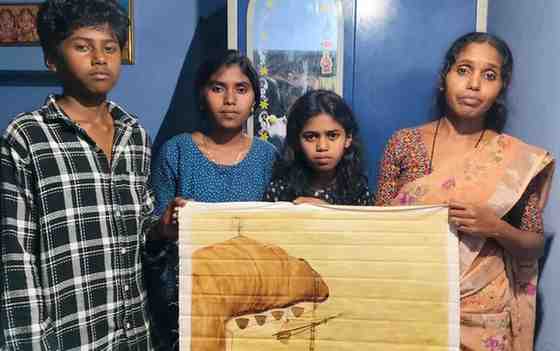
The announcement of a Padma Shri for tribal artist Krishnan Raghavan has brought national attention to the fragile heritage of Kurumba painting in the Nilgiris . Raghavan, popularly known by the pen name “Kitna,” received the honour posthumously for his efforts to preserve a centuries-old tribal art tradition. While the award celebrated his contribution, it also highlighted the uncertain future of the cultural practice he worked tirelessly to sustain.
Ancient Artistic Tradition of the Alu Kurumba
Kurumba painting is believed to be an ancient artistic tradition with origins dating back more than 3,000 years . Historically, these artworks were painted on rock surfaces and cave walls across the Nilgiri Hills . Early references to Kurumba paintings on residential structures were documented between 1871 and 1872 .
The art reflects the rituals, beliefs and daily life of the Alu Kurumba , whose members are part of the Particularly Vulnerable Tribal Groups .
Krishnan Raghavan’s Contribution to Revival
Born in the Vellarikombai , Krishnan Raghavan learned painting techniques from his grandfather Kithari . He began practising the art at the age of six while visiting the Ezhuthuparai Cave .
Raghavan later adapted traditional cave motifs onto cloth, paper and canvas, transforming the art form for modern audiences. His distinctive style, sometimes described as the “Krishna school” of Kurumba art, portrayed tribal life, cultural ceremonies and everyday activities of the community.
Use of Natural Pigments and Cultural Narratives
Traditional Kurumba paintings rely on colours extracted from forest resources. Artists obtain pigments from sources such as the Vengai tree for yellow-brown shades, Pachaikeeda leaves for green, red sand for earthy tones and the Karimaram tree for black.
Through these natural colours, the paintings depict the community’s close relationship with forests, wildlife and agriculture in the Nilgiris, creating a visual record of tribal heritage.
Concerns About the Survival of the Art
Despite growing recognition, Kurumba painting remains endangered. Researchers estimate that fewer than ten artists currently practise the tradition. Only a handful possess the knowledge to prepare the natural pigments used in the artwork.
Experts have called for measures such as Geographical Indication (GI) status , training programmes and digital documentation of Raghavan’s work to help safeguard this unique cultural heritage.
Exam-Focused Points
-
Padma Shri recognises contributions in various fields including arts and culture.
-
The Kurumba tribe is listed under Particularly Vulnerable Tribal Groups .
-
The Nilgiris hosts all six PVTG communities in the state.
-
Kurumba art traditionally uses natural pigments from plants, soil and tree bark .
-
Indigenous art forms often require
Month: Current Affairs - March 15, 2026
Category: Art & Culture / Tribal Heritage