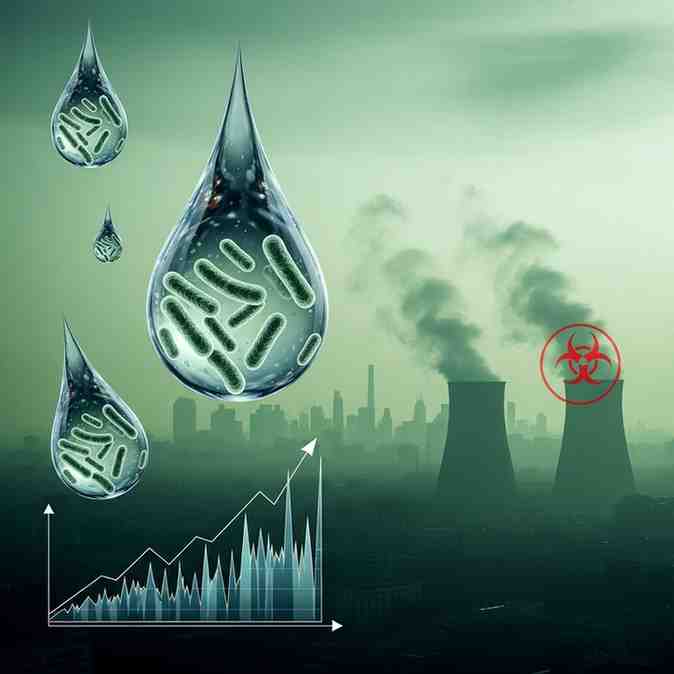
Legionella Bacteria Linked to Rising Infections in Cities
A surge in cases of Legionnaires’ disease across cities like London and New York has highlighted a growing public health concern. The outbreaks underline how modern urban water systems can become hotspots for harmful bacteria if not properly maintained.
Understanding Legionnaires’ Disease
Legionnaires’ disease is a severe form of pneumonia caused by Legionella pneumophila. It is not transmitted from person to person but spreads through inhalation of contaminated water droplets. Common sources include cooling towers, air-conditioning systems, fountains, and plumbing networks. Symptoms typically appear within 2–14 days and include fever, cough, breathlessness, and muscle pain. The mortality rate ranges from 5–10%, especially among the elderly and immunocompromised individuals.
Urban Infrastructure as a Key Risk Factor
Dense urban environments with complex water systems are particularly vulnerable. In cities like New York, outbreaks have been linked to contaminated cooling towers on buildings, including hospitals and construction sites. These systems can aerosolise bacteria, enabling it to spread over large areas. Similar concerns are being investigated in London, where ageing infrastructure and maintenance gaps are key risk factors.
Role of Climate and Preventable Failures
Legionella bacteria thrive in warm and stagnant water conditions. Rising temperatures and increased reliance on air-conditioning systems create favourable environments for bacterial growth. Most outbreaks are preventable and are often linked to poor maintenance, lack of inspections, and ineffective disinfection. Climate change may further increase the frequency of such incidents.
India’s Vulnerability and Preventive Measures
India faces potential risks due to rapid urbanisation and ageing infrastructure. Stagnant water in tanks and poorly maintained cooling systems in hospitals, hotels, and residential complexes can facilitate bacterial growth. Preventive measures include regular cleaning, maintaining safe water temperatures, avoiding stagnation, and conducting periodic risk assessments.
Exam-Focused Points
-
Cause: Legionella pneumophila (bacteria) .
-
Disease type: severe pneumonia (non-contagious) .
-
Spread via aerosolised contaminated water droplets .
-
Sources: cooling towers, HVAC systems, plumbing .
-
Mortality rate: 5–10% .
-
Risk factors: warm stagnant water, poor maintenance .
Month: Current Affairs - March 23, 2026
Category: Health, Environment