Overview
Sanae Takaichi has endorsed a significant change in the post-World War II policy of security in Japan by permitting the exportation of deadly weapons. The move is an indication of a break with the long-held pacifist policy in Japan and was a response to changing regional security dynamics.
What Is New in Defence Policy?
Japan had a long history of exporting military equipment only to its close allies and only non-lethal items like surveillance systems and transportation equipment were allowed under its pacifist constitution. The new guidelines now allow exports of:
- Fighter aircraft
- Missiles
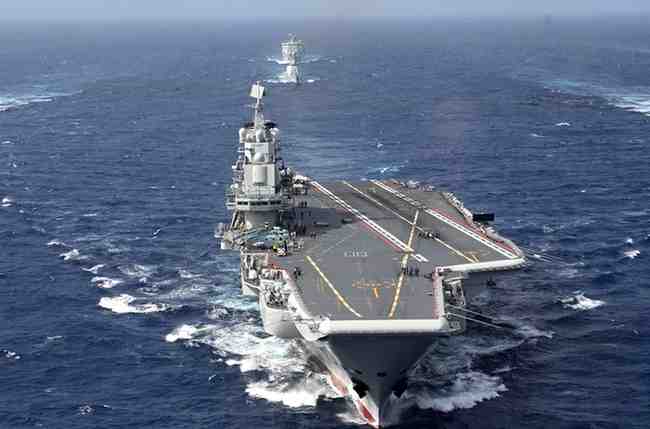
- Warships and destroyers
It is a huge growth of previous small-scale exports, such as protective equipment and cars that can be used by civilians.
Reason of the Policy Change.
The choice of Japan is motivated by the evolving geopolitical situation in the Indo-Pacific:
- Increasing apprehension with Chinese aggression.
- Threat perceptions from North Korea
- Increasing regional instability
The move also aims to:
-
Enhance defence relations with other partners such as the United States, Australia, Britain, and Italy.
-
Increase domestic defence production.
-
Minimize imports.
New Export Framework
First Japan will permit exports to 17 countries that have defence cooperation agreements. Any transaction will have to go through the National Security Council and close supervision will be put in place to ensure good usage. Notably, Japan will not be willing to export deadly arms to nations that are actively engaged in wars.
Strategic and Global Implications.
The policy has been met with mixed reactions around the world. Although other partners such as Australia have hailed the move as a boost in cooperation on the security front in the region, critics such as China see it as a possible escalation. In the country, there is still the issue of undermining the pacifist identity of Japan. However, the shift signifies shifting Japan to a more active role in international defence.
Exam-Focused Key Points
- Japan lifts the ban on the export of lethal weapons.
- Fighter jets, missiles and warships have become export items.
- Indo-Pacific security reasons (China, North Korea).
- Oversight on exports to 17 partner countries.
- Reflects the change of pacifism to proactive defence policy.
MCQ
Q1. Which is the main characteristic of the new policy of Japan on defence export?
A. Total prohibition of exporting military products.
B. Export of solely humanitarian aid equipment.
C. Lease of deadlier weapons such as fighter jets and missiles.
D. Breakup of defence partnerships.
Answer: C
Explanation: A major policy shift is that Japan has been liberalized and is now allowing the export of lethal defence systems like fighter planes, missiles and war ships.
Month: Current Affairs - Apr 21, 2026
Category: Defence Policy