India Balances Israel Ties and International Law Ahead of PM Visit
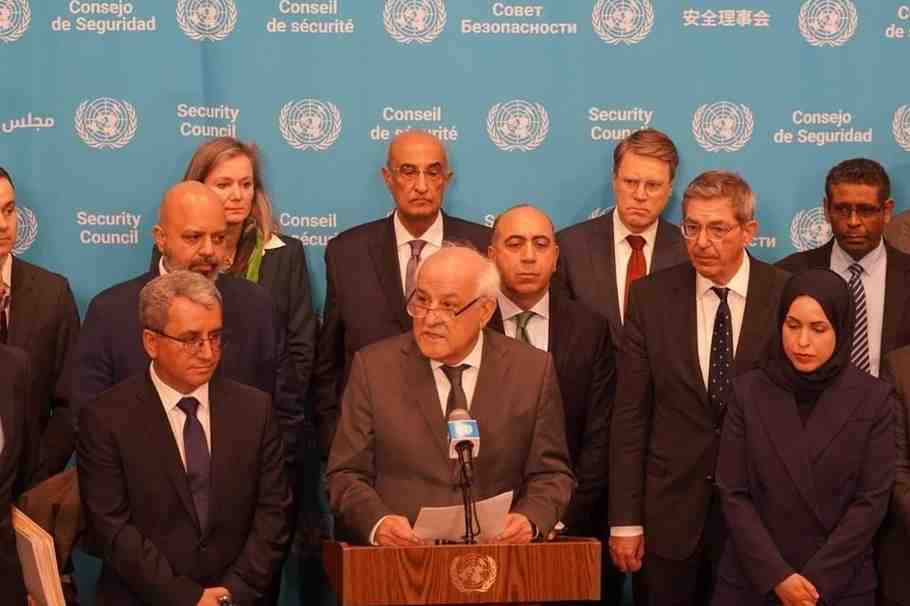
India has joined over 100 countries and international organisations in endorsing a United Nations joint statement criticising Israeli actions in the West Bank. The declaration expressed concern over measures described as attempts to consolidate control over occupied territory, stating that such actions violate international law and weaken prospects for lasting peace.
India signed the statement shortly before the endorsement deadline, a move that has drawn attention given Prime Minister Narendra Modi’s scheduled visit to Israel next week, during which he is expected to address the Israeli Parliament.
Key Provisions of the UN Statement
The joint declaration condemned unilateral Israeli decisions that, according to the signatories, expand an unlawful presence in the West Bank. It urged Israel to reverse such actions and comply with its obligations under international law.
The statement reaffirmed opposition to annexation and rejected steps that could alter the demographic composition, character or status of territories occupied since 1967, including East Jerusalem. It stressed that these measures undermine the foundations of a negotiated settlement.
India’s Diplomatic Positioning
India’s endorsement reflects its consistent support for a two-state solution while sustaining strategic cooperation with Israel. In recent years, New Delhi has expanded defence, technology and innovation partnerships with Israel, even as it continues diplomatic engagement with Palestine and other West Asian stakeholders.
By signing the statement, India reiterated its emphasis on dialogue, restraint and adherence to international norms, signalling a calibrated diplomatic approach rather than a shift in bilateral ties.
West Bank and International Law
The West Bank remains central to the Israeli–Palestinian conflict, with settlement activity and sovereignty claims frequently debated at the United Nations. Multilateral statements such as this one reflect broad international concern over unilateral actions that could prejudge final-status negotiations.
Important Facts for Exams
-
The West Bank has been under Israeli occupation since the 1967 Six-Day War.
-
East Jerusalem is claimed by both Israel and Palestine as a capital.
-
The UN General Assembly passes largely non-binding resolutions.
-
India supports a negotiated two-state solution.
Implications for Regional Peace
India’s endorsement underscores its support for international law and peaceful resolution frameworks. As West Asian geopolitics evolve, New Delhi’s multilateral diplomacy continues to balance strategic partnerships with principled positions on conflict resolution.
Month: Current Affairs - February 19, 2026
Category: International Relations | United Nations