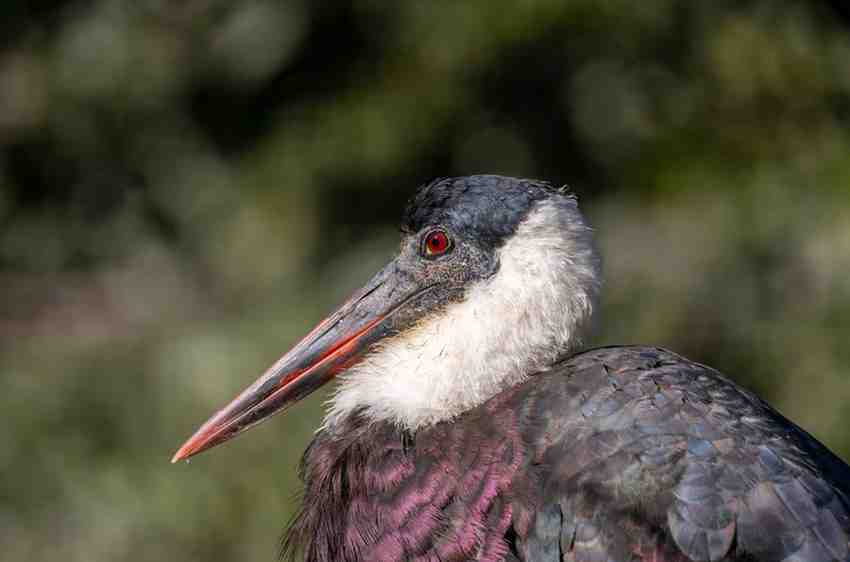
Recent sightings of the Woolly-Necked Stork near Thanjavur are more than just a birdwatching highlight. They point to something larger: working agricultural landscapes like paddy fields are still functioning as ecological habitats , not just food-producing zones.
This matters because species like this stork are sensitive to environmental change. When they show up, it often signals that the ecosystem is still capable of supporting complex food chains.
The Species at a Glance
-
Scientific name: Ciconia episcopus
-
Family: Ciconiidae (storks)
-
Other names: White-necked Stork, Bishop Stork
-
IUCN Status: Near Threatened
Unlike more familiar wetland birds, this species is not extremely abundant. That’s why even occasional sightings carry weight in conservation monitoring.
Where It Lives and Why Thanjavur Is Important
The Woolly-Necked Stork is distributed across Africa and South–Southeast Asia , including India.
In India:
-
Historically more common in northern and central regions
-
Now being recorded increasingly in southern landscapes , including Tamil Nadu
Why Paddy Fields Work as Habitat
Thanjavur’s paddy fields mimic natural wetlands in several ways:
-
Shallow standing water supports fish, frogs, and insects
-
Open visibility suits large wading birds
-
Seasonal flooding cycles resemble natural wetland dynamics
This makes such landscapes “surrogate wetlands” , especially where natural wetlands have declined.
How to Recognise It

Key identification features:
-
Distinct white, fluffy neck (its signature trait)
-
Body mostly black with greenish gloss
-
White lower belly visible in flight
-
Broad wings adapted for soaring on thermals
-
Juveniles appear duller and less glossy
It is often seen alone or in small groups , unlike some storks that form large colonies.
Behaviour and Feeding Ecology
This bird is a patient predator .
Month: Current Affairs - April 12, 2026
Category: Environment | Biodiversity