Until systemic reform delivers conclusive titles, the law must prioritise transactional freedom over administrative perfection.
Property transactions as a “traumatic” experience
The Court’s description of property dealings as traumatic reflects structural realities. India follows a presumptive title system, where ownership is inferred from a chain of documents rather than guaranteed by the State. Buyers must navigate a maze of sale deeds, mutation entries, possession claims and potential litigation. Due diligence becomes expensive, time-consuming and uncertain, discouraging investment and eroding trust.
This trauma is not accidental; it is the product of historical layering — colonial revenue systems, post-Independence land reforms, and state-specific practices — that have never been fully harmonised.
The promise and limits of technology
The judgment also gestures toward the future. Some states, such as Karnataka, have integrated land records and registration through digital platforms, automatically updating ownership after registration. The Court even encouraged exploring technologies like blockchain to create tamper-proof ownership histories, citing pilot projects that have reduced disputes.
Yet technology is not a silver bullet. Digital systems can only be as reliable as the data they are built on. Without accurate surveys and legal clarity, digitisation risks hard-coding existing errors.
What the judgment ultimately signals
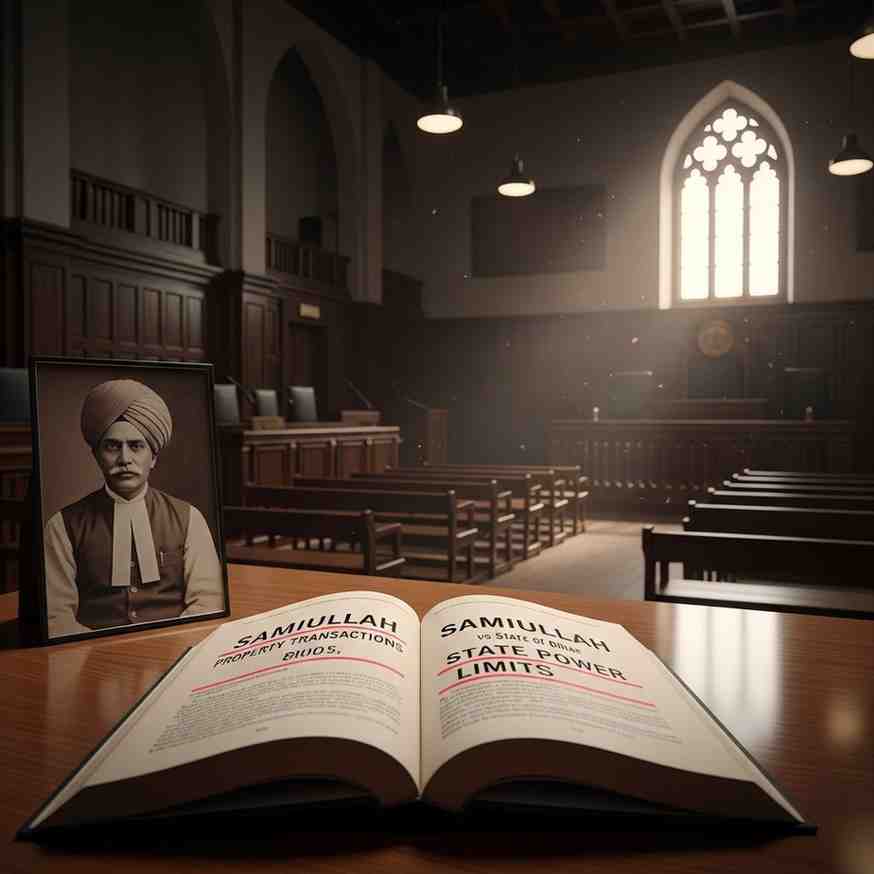
The Samiullah ruling is not merely about Bihar’s rules; it is about constitutional discipline in governance. The Supreme Court has reaffirmed that administrative convenience cannot override statutory limits or fundamental rights. Until India undertakes comprehensive land titling reform, registration must remain a facilitative process, not a barrier.
At the same time, the judgment underscores urgency. If property transactions are to lose their “traumatic” character, India must move beyond piecemeal fixes toward integrated, reliable and citizen-centric land governance. Only then will the right to property be not just legally protected, but practically meaningful.
Month: Current Affairs - January 03, 2026
Category: