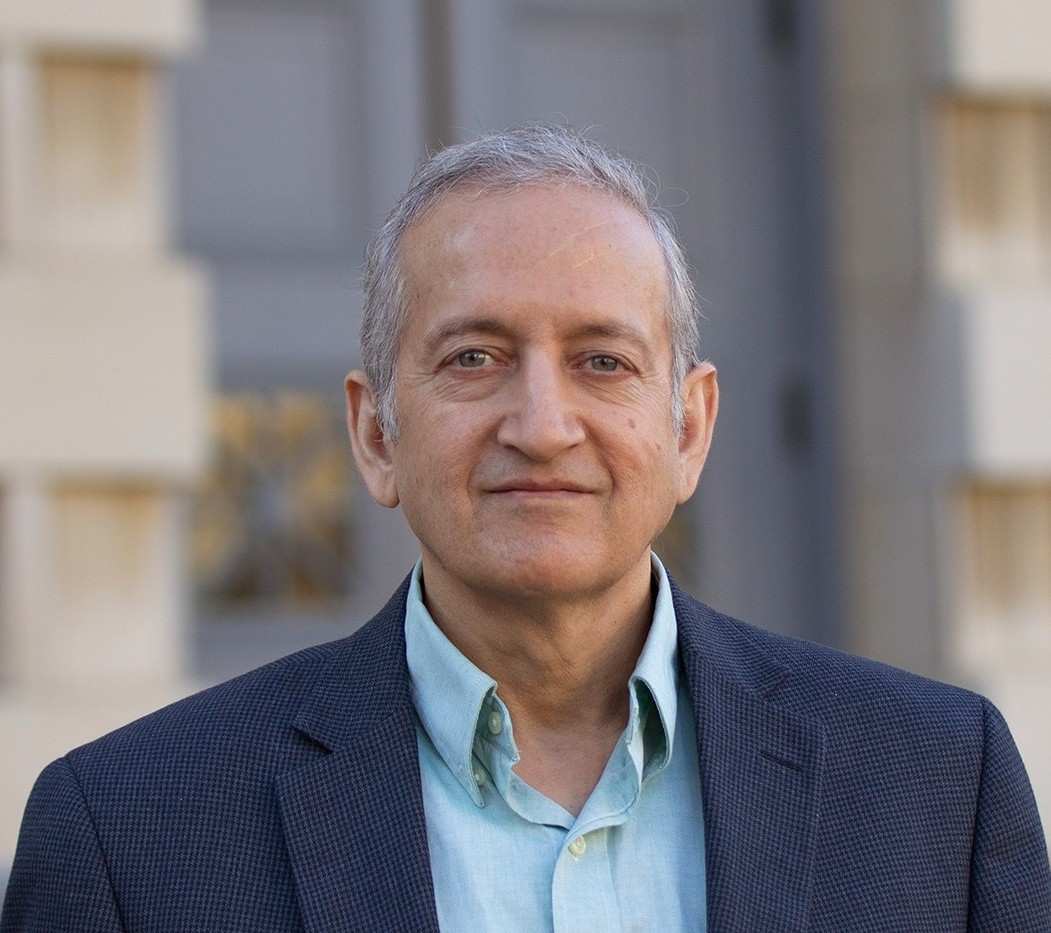
Composite fermions were proposed in 1989.
The concept explains the fractional quantum Hall effect.
Jain proposed the theory while working at Yale University.
He is currently a professor at Pennsylvania State University.
The Wolf Prize is awarded by the Wolf Foundation.
Many Wolf Prize winners later receive Nobel Prizes.
Frequently Asked Questions (FAQs)
Q1. Who is Jainendra K. Jain?
Jainendra K. Jain is a physicist of Indian origin known for discovering composite fermions.
Q2. Why did he receive the Wolf Prize in Physics?
He received the award for his discovery of composite fermions, which explain the fractional quantum Hall effect.
Q3. What are composite fermions?
Composite fermions are special quantum particles formed when electrons combine with magnetic flux under specific conditions.
Q4. What is the Wolf Prize in Physics?
The Wolf Prize in Physics is a prestigious international award presented for outstanding achievements in physics.
Q5. Why is Jainendra K. Jain's achievement important?
He became the first person of Indian origin to win the Wolf Prize in Physics, bringing international recognition to Indian scientific excellence.
Month: Current Affairs - Jun 20, 2026
Category: Science and Technology | Physics