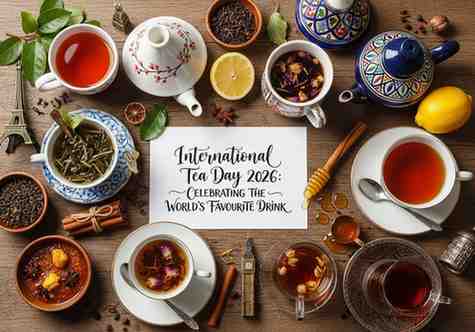
simple cup of chai represents:
-
Hospitality
-
Conversation
-
Daily comfort
-
Social bonding
-
Routine and relaxation
India is among the world’s largest tea producers and consumers.
Famous Indian Tea Traditions
| Tea |
Description |
| Masala Chai |
Black tea with milk, sugar, and spices like cardamom, cinnamon, ginger, cloves, black pepper. |
| Adrak Chai |
Ginger tea, popular in winter and monsoon; known for warmth and digestion. |
| Kashmiri Kahwa |
Fragrant green tea with saffron, almonds, and spices; lighter and ceremonial. |
| Cutting Chai |
Mumbai classic – strong, quick tea served in small glasses. |
Chaiwallah Culture in India
India’s roadside tea stalls are cultural institutions. The familiar chaiwallah serves more than tea. These spaces create community interaction. Students, workers, travellers, and neighbours gather around tea stalls every day. This informal social culture is one of India’s most unique tea traditions.
India’s Tea Economy
Tea is a major contributor to India’s rural economy. It supports millions of people through cultivation, processing, packaging, and trade. Key tea‑producing regions include:
-
Assam
-
West Bengal (Darjeeling)
-
Tamil Nadu
-
Kerala
-
Himachal Pradesh
Indian tea is globally recognised for its flavour diversity and heritage value.
Exam-Focused Points
-
International Tea Day is observed on 21 May every year.
-
UN recognised the day in 2019 ; first observance in 2020 .
-
2026 themes: “Fostering Growth and Inclusion” and “Sustaining Tea, Supporting Communities.”
-
Tea is the second most consumed drink globally (after water).
-
Tea originated in ancient China .
-
Health benefits: antioxidants, heart health, digestion, calm focus.
-
India’s key tea regions:
Month: Current Affairs - May 21, 2026
Category: InternationalTeaDay2026