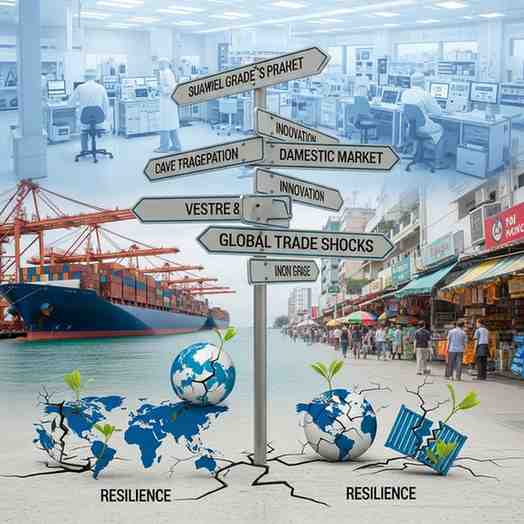
At the same time, India is seeking deeper integration into global pharmaceutical value chains beyond simple exports, including contract manufacturing, biosimilars and collaborative research.
Building resilience through self-reliance
Long-term resilience will depend on strengthening domestic manufacturing, particularly in APIs and key intermediates. Production-linked incentive schemes aim to rebuild India’s API ecosystem, reduce import dependence and enhance supply security. While such transitions are capital-intensive and time-consuming, they are central to insulating the sector from future trade shocks.
Equally important is upgrading regulatory capacity, quality control and innovation ecosystems to move up the value chain. A gradual shift toward complex generics, biosimilars and specialty drugs can reduce vulnerability to price-based competition and protectionist barriers.
A moment of reckoning and opportunity
The U.S. tariff decision has undeniably rattled India’s pharmaceutical sector, but it has also clarified strategic priorities. India’s role in global healthcare remains indispensable, particularly for affordable medicines. The challenge now is to convert scale into strategic leverage — through diversified markets, stronger domestic manufacturing, and sustained policy reform.
In an era of rising protectionism, India’s pharmaceutical future will depend not just on being the world’s largest supplier, but on being the most adaptable. Balancing affordability, innovation and autonomy will determine whether India can retain its status as the pharmacy of the world in a far more fragmented global order.
Month: Current Affairs - January 03, 2026
Category: